If you are preparing for an HVAC installation in Deltona, FL, the biggest concern most homeowners have is not the equipment—it is the uncertainty around the process itself. After overseeing installations across Deltona’s mix of older concrete block homes and newer developments, one thing is consistent: installations go smoothly when homeowners understand what should happen at each stage and what should never be skipped.
This step-by-step guide is built from real installation experience in Deltona, not generic HVAC advice. It walks you through what actually happens before, during, and after installation—including local permitting realities, climate-driven system considerations, and the checkpoints professional installers rely on to prevent callbacks and performance issues. By the end, you will know how to prepare your home, recognize quality workmanship, and ensure your new HVAC system is installed to deliver reliable comfort, humidity control, and long-term efficiency in Deltona’s demanding climate.
Quick Answers
HVAC installation in Deltona typically involves a home evaluation, proper system sizing, permitting through the city or county, professional installation, and final inspection. Because Deltona’s climate is hot and humid most of the year, successful installations focus on moisture control, airflow verification, and code compliance—not just replacing equipment. Choosing an installer who follows a step-by-step process helps ensure long-term comfort, lower energy costs, and fewer service issues.
Top Takeaways
HVAC installation is a step-by-step process.
Proper sizing, permits, airflow checks, and testing matter as much as the equipment.Deltona’s climate drives system performance.
High heat and humidity require systems designed for moisture control and long run times.Installation quality affects energy costs.
Poor sizing or airflow reduces efficiency, even with high-SEER systems.Permits and inspections protect homeowners.
Code compliance helps avoid insurance, resale, and performance issues.Process matters more than brand.
A disciplined installation approach delivers better comfort and longer system life.
An HVAC installation in Deltona, FL follows a predictable sequence when it is done correctly, but the details matter—especially in Central Florida’s heat, humidity, and strict permitting environment. Below is a clear, homeowner-focused overview of what a professional, code-compliant installation should look like from start to finish.
Step 1: In-Home Evaluation and System Sizing
The process begins with a detailed evaluation of your home, not a quick equipment swap. An experienced installer will assess square footage, insulation levels, window exposure, duct condition, and humidity load. In Deltona, proper sizing is critical—oversized systems short-cycle and fail to control moisture, while undersized systems struggle during peak summer heat.
Step 2: Load Calculation and Equipment Selection
A legitimate HVAC installation includes a Manual J load calculation to determine the correct system capacity. Based on real-world Deltona conditions, installers typically recommend systems optimized for high humidity removal and energy efficiency. This step ensures your new system is matched to your home, not guessed based on the old unit.
Step 3: Permits and Pre-Installation Planning
Before installation begins, permits must be pulled through the City of Deltona or Volusia County, depending on the property. Reputable contractors handle this on your behalf and schedule the required inspections. Skipping permits is a common red flag and can create problems with insurance, resale, and warranties.
Step 4: Installation Day: Removal and Setup
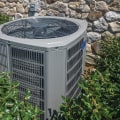
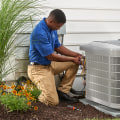
On installation day, the old system is safely removed, refrigerant is recovered properly, and the new equipment is set in place. This includes installing the indoor air handler, outdoor condenser, electrical connections, refrigerant lines, and condensate drainage. A professional team protects floors, maintains airflow clearances, and follows manufacturer specifications.
Step 5: Ductwork and Airflow Verification
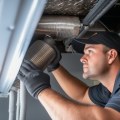
If ductwork is reused, it should be inspected for leaks, restrictions, and insulation issues. In many Deltona homes, minor duct repairs or sealing significantly improve performance. Proper airflow balancing ensures even cooling throughout the home and prevents hot spots.
Step 6: System Startup and Performance Testing
Once installed, the system is fully commissioned. This includes refrigerant charging, thermostat calibration, temperature split testing, and humidity checks. Experienced installers verify that the system is operating within manufacturer and Florida code standards before calling the job complete.
Step 7: Final Inspection and Homeowner Walkthrough
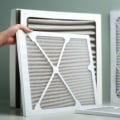
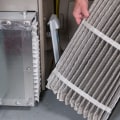
The final step is the required inspection and a homeowner walkthrough. You should receive documentation, warranty information, and guidance on filter changes and maintenance schedules. A quality installer will also explain what normal operation looks like and what warning signs to watch for.
When each of these steps is followed, HVAC installation in Deltona is not disruptive or stressful—it is a controlled, methodical process that sets your home up for dependable comfort, lower energy costs, and fewer service calls for years to come.
 “In Deltona’s climate, a successful HVAC installation isn’t about swapping equipment—it’s about following the right process. When sizing, airflow, permits, and testing are done correctly, the system performs better, lasts longer, and avoids the issues we most often see after rushed installations.”
Essential Resources
Making the right HVAC installation decision in Deltona starts with understanding the rules, requirements, and standards that apply locally—not relying on generic advice that may not reflect Florida conditions. The resources below are carefully selected to help homeowners verify permits, confirm contractor qualifications, and understand what a compliant, professional installation should include, without directing you to competing service providers.
City of Deltona Building Services Division: Local HVAC Permit Requirements
This official city resource explains when HVAC installation permits are required, how inspections are scheduled, and which building codes apply within Deltona. It is essential for ensuring your installation meets city standards and avoids compliance issues.
Deltona Mechanical Permit Forms: Know What Documentation Is Required
These permit forms outline the paperwork associated with HVAC installation projects. Reviewing them helps homeowners understand what a licensed contractor should submit and manage on their behalf.
Volusia County Permit Center: Confirm Jurisdiction and Inspection Authority
Some Deltona properties fall under Volusia County rather than city permitting. This resource allows homeowners to confirm which authority governs their home and what mechanical inspections are required.
Florida Department of Business & Professional Regulation (DBPR): HVAC Licensing Verification
This state-run resource explains HVAC licensing classifications and allows homeowners to verify that a contractor is properly licensed to perform residential HVAC installation in Florida.
Florida HVAC Licensing & Insurance Requirements: Reduce Risk Before Installation
This guide explains why licensing, insurance, and bonding matter during HVAC installation. It helps homeowners understand how proper coverage protects them from liability, incomplete work, and warranty disputes.
Deltona Permit FAQs: Clarify Common HVAC Installation Questions
The city’s permit FAQ section answers common questions related to mechanical permits, inspections, and code compliance. It is especially helpful for homeowners installing a new HVAC system for the first time.
Florida Building Code – Mechanical Section: Installation Standards Explained
This statewide code reference outlines minimum mechanical standards for HVAC installation, including safety, airflow, and system performance requirements. Reviewing it provides insight into what inspectors look for during final approval.
By using these official and educational resources, Deltona homeowners can approach HVAC installation with clarity and confidence—knowing how to verify credentials, understand permitting, and recognize professional, code-compliant work before any contract is signed.
Supporting Statistics
Well-installed HVAC systems are not optional in Deltona—they are essential. The statistics below reflect what experienced installers see daily in Central Florida homes.
1. Most U.S. Homes Rely on Central Cooling
88% of U.S. households use air conditioning (U.S. Energy Information Administration).
The majority depend on central AC or heat pump systems.
In Florida, cooling is a primary home system, not a seasonal convenience.
2. Cooling Is a Major Driver of Energy Costs
Air conditioning is one of the largest electricity uses in U.S. homes (U.S. Energy Information Administration).
Installation quality directly affects:
Runtime
Energy consumption
Poor sizing or airflow reduces efficiency, even with high-SEER equipment.
3. Deltona’s Climate Demands Reliable HVAC Performance
Deltona has a hot, humid subtropical climate with long cooling seasons.
Systems must handle:
Extended run times
High moisture removal
Installations that ignore local climate conditions often lead to comfort issues and premature system wear.
Key takeaway: In Deltona, HVAC installation quality directly impacts comfort, energy costs, and system lifespan. The data supports what field experience confirms—proper sizing, climate-aware design, and code-compliant installation are critical for long-term performance.
Final Thought
After overseeing HVAC installations across Deltona and Central Florida, one insight stands out: successful HVAC installation is determined by process, not equipment alone. Homes that perform best long term are those where installation steps are followed carefully from the start.
What Consistently Makes the Difference
In real-world installations, long-term comfort and efficiency come down to:
Proper load calculations
Correct system sizing for humidity control
Code-compliant permitting and inspections
When any of these steps are skipped, issues typically appear within the first few seasons.
Common Problems Seen After Poor Installations
Most post-installation complaints are not caused by equipment defects, but by:
Rushed or inaccurate sizing
Skipped permits or inspections
Unaddressed airflow or duct issues
Installations that ignore Deltona’s climate demands
These shortcuts often lead to higher energy bills, uneven cooling, and premature system wear.
Final Opinion
In Deltona’s hot, humid environment, HVAC systems must do more than cool—they must manage moisture and operate efficiently year-round. The most dependable installations follow a disciplined, step-by-step process and verify performance before the job is considered complete.
The installer’s process matters more than the brand name on the equipment. When installation is done correctly, homeowners benefit from quieter operation, lower energy costs, and fewer service calls for years to come.

FAQ on HVAC Installation in Deltona
Q: How long does HVAC installation take in Deltona homes?
A:
Most installations are completed in one day.
Additional time may be needed for:
Duct repairs
Electrical upgrades
Inspection scheduling
Q: Are permits required for HVAC installation in Deltona?
A:
Yes. A mechanical permit and final inspection are required.
Licensed installers typically handle this process.
Skipped permits often cause:
Inspection failures
Warranty issues
Problems during home resale
Q: What HVAC system works best in Deltona’s climate?
A:
Proper system sizing is critical.
Moisture control matters more than high SEER ratings.
Oversized systems often:
Short-cycle
Fail to manage humidity
Q: What affects HVAC installation cost in Deltona?
A:
Key cost factors include:
System size and efficiency
Duct condition
Home layout
Poor upfront evaluations often lead to higher final costs.
Q: Will a new HVAC installation improve comfort and efficiency?
A:
Yes—when installed correctly.
Best results come from:
Load calculations
Duct sealing
Proper system commissioning
Learn more about HVAC Care from one of our HVAC solutions branches…
Filterbuy HVAC Solutions - Miami FL - Air Conditioning Service
1300 S Miami Ave Apt 4806 Miami FL 33130
(305) 306-5027
https://maps.app.goo.gl/Ci1vrL596LhvXKU79